India’s Leading Dental Care Destination
Complete Dental Care
Under One Roof
Advanced Technology, Expert Care.
Beautiful Smiles.

Years of Excellence

Successful Treatments

Professional Staff

Patient Satisfaction
Experience the Difference at Indore’s Leading Dental Clinic.
Book Appointment
Let us help you get the smile you deserve.
- Your details are 100% safe with us.
Complete Range of Dental Solutions
All Your Dental Needs. One Trusted Destination.

Root Canal Treatment

Restoration / Dental Filling

Dental Implants

Braces / Invisible Aligners

Wisdom Tooth Removal

Dentures, Crowns & Bridges

Kids Dentistry

Oral & Facial Surgeries

Smile Makeover

Teeth Whitening

TMJ & Orofacial Pain

Laser Dentistry
About Smile Dental Clinic
Smile Dental Clinic in Indore is a leading destination for modern dental care, offering a wide range of services including dental implants, root canal treatment, braces, and cosmetic dentistry.
Established with the goal of providing painless and precise treatments, the clinic is equipped with advanced technology like in-house CBCT, digital dentistry tools, and single-sitting solutions.
Led by highly qualified professionals such as Dr. Ashish Jain, the clinic is committed to excellence in patient care. With a focus on patient comfort and satisfaction, Smile Dental Clinic ensures a smooth, stress-free experience for all its visitors.
Why Choose
Smile Dental Clinic, Indore?
- All Dental Services Under One Roof
- Advanced Digital X-Ray & 3D Imaging
- Single Visit Diagnosis & Treatment Planning
- Modern Infrastructure & Global Standards
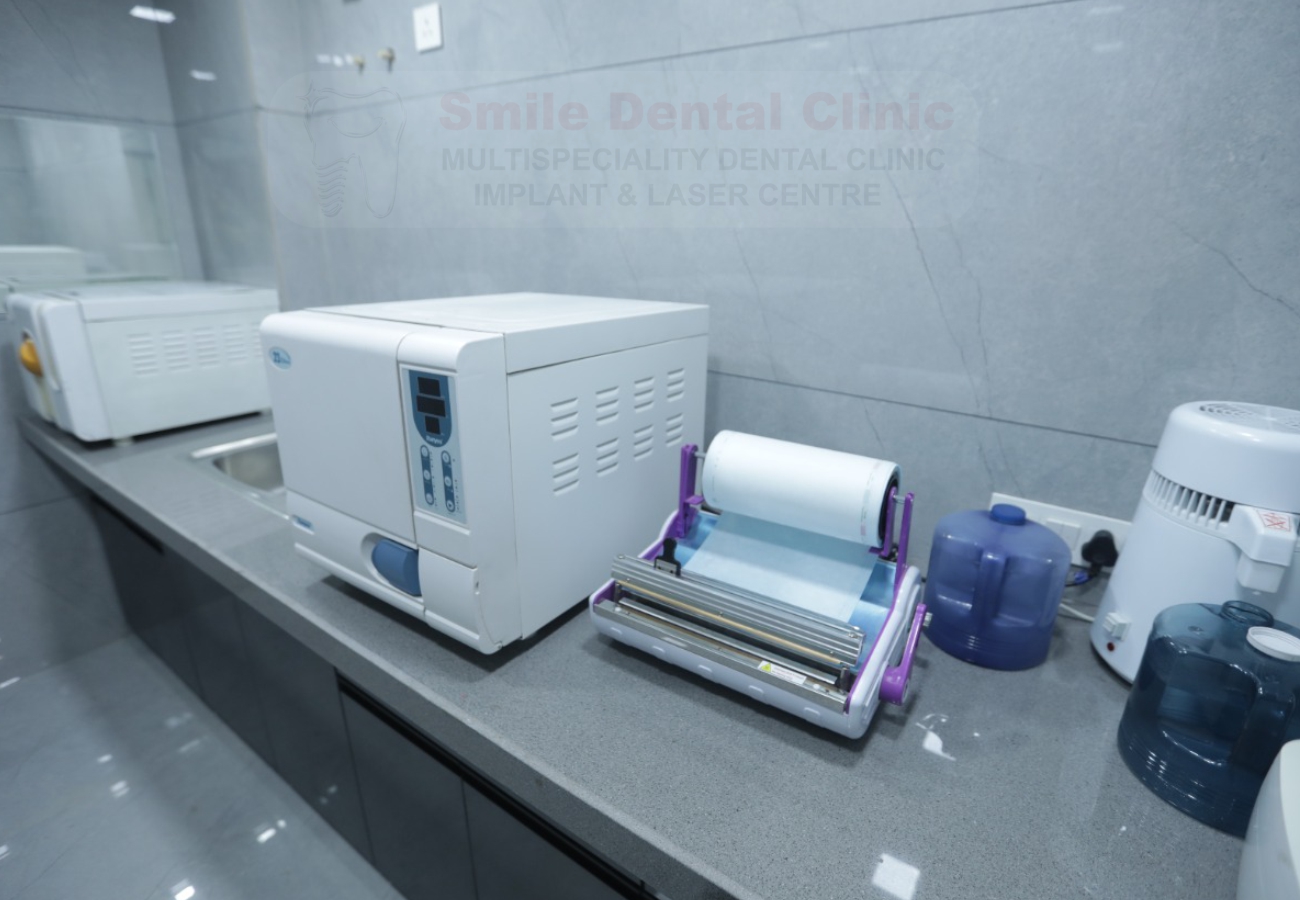
- Hygienic, Safe & Patient-Friendly Environment
- Transparent Treatment & Affordable Pricing
- Trusted by 25,000+ Happy Patients

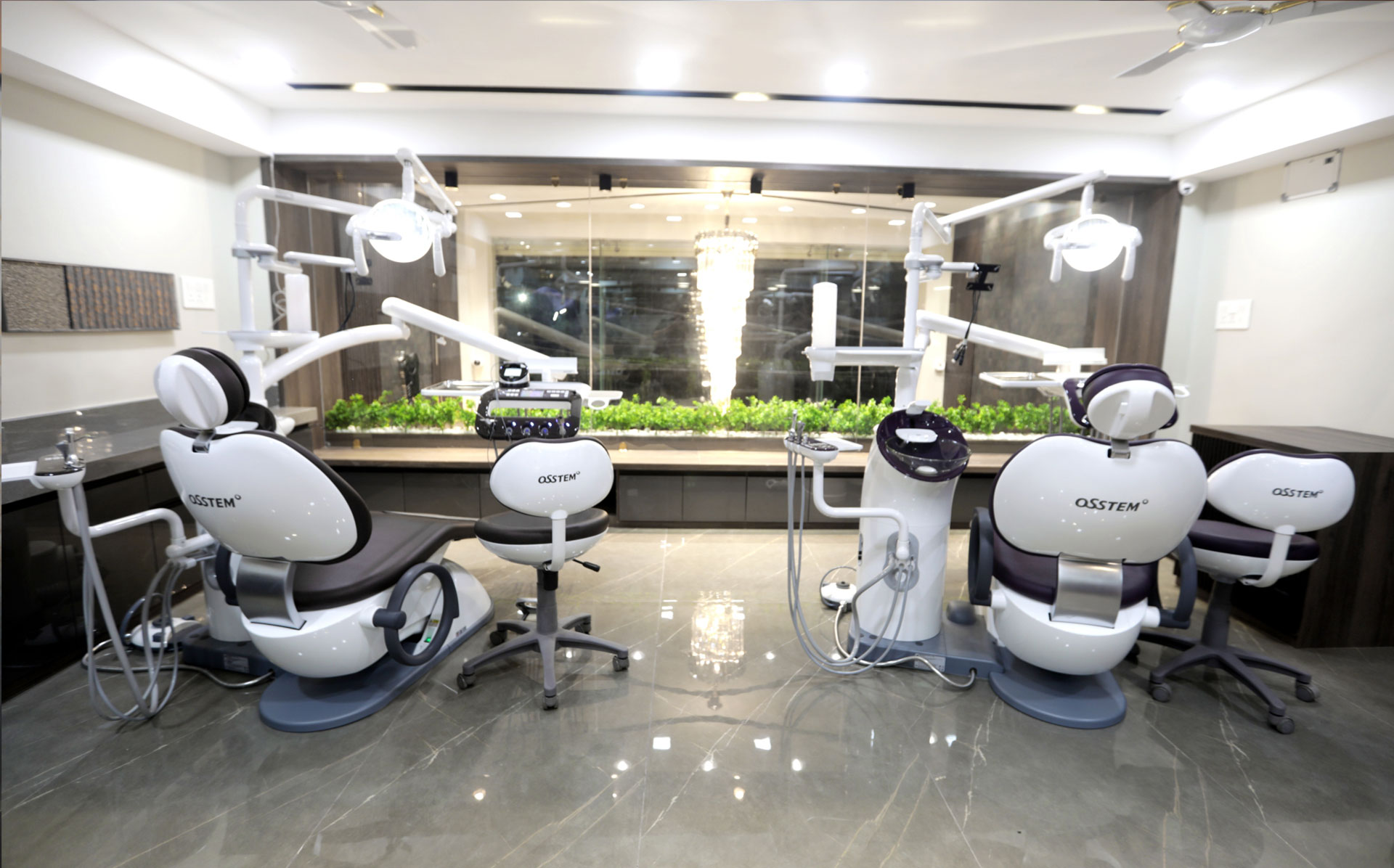
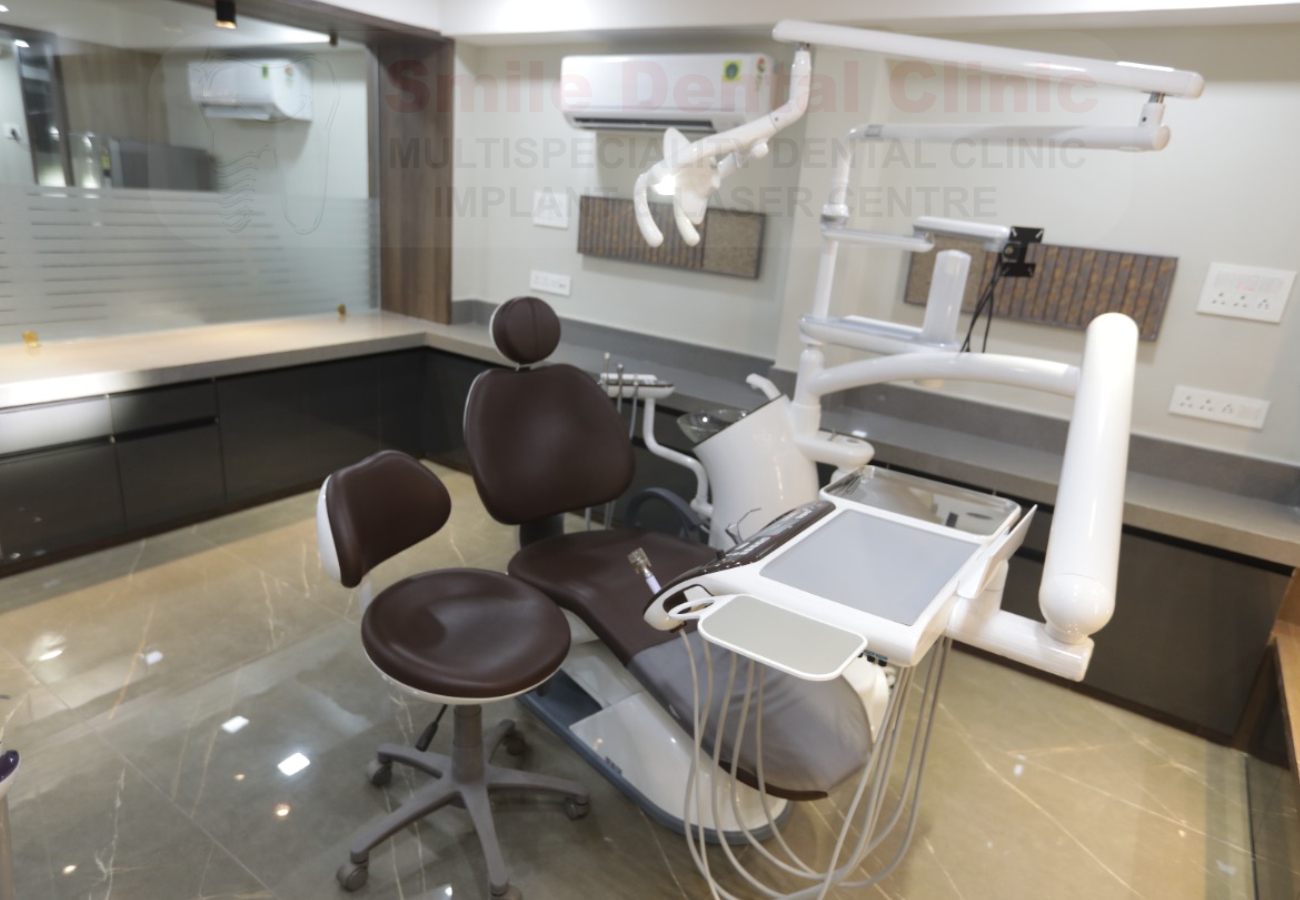
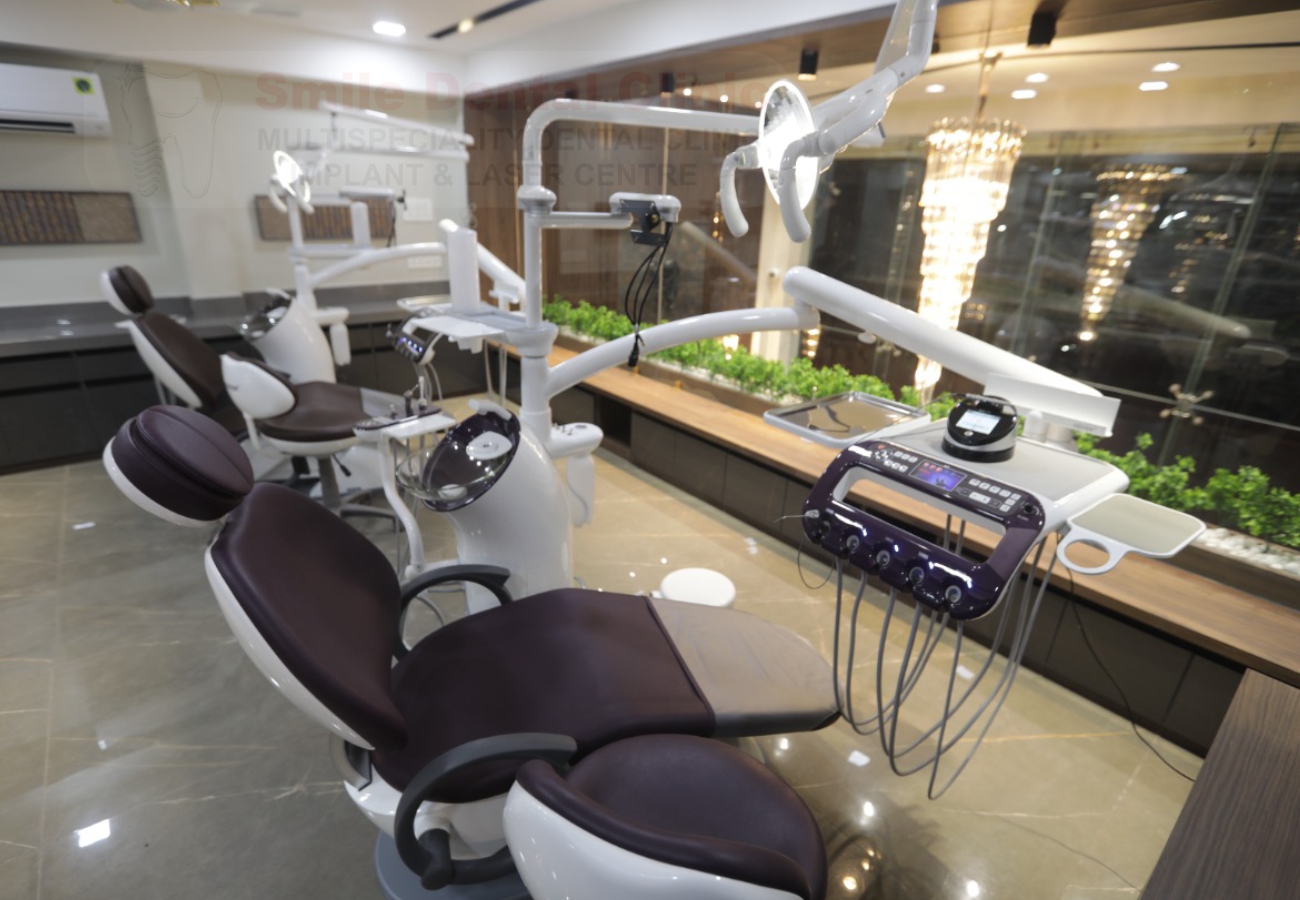
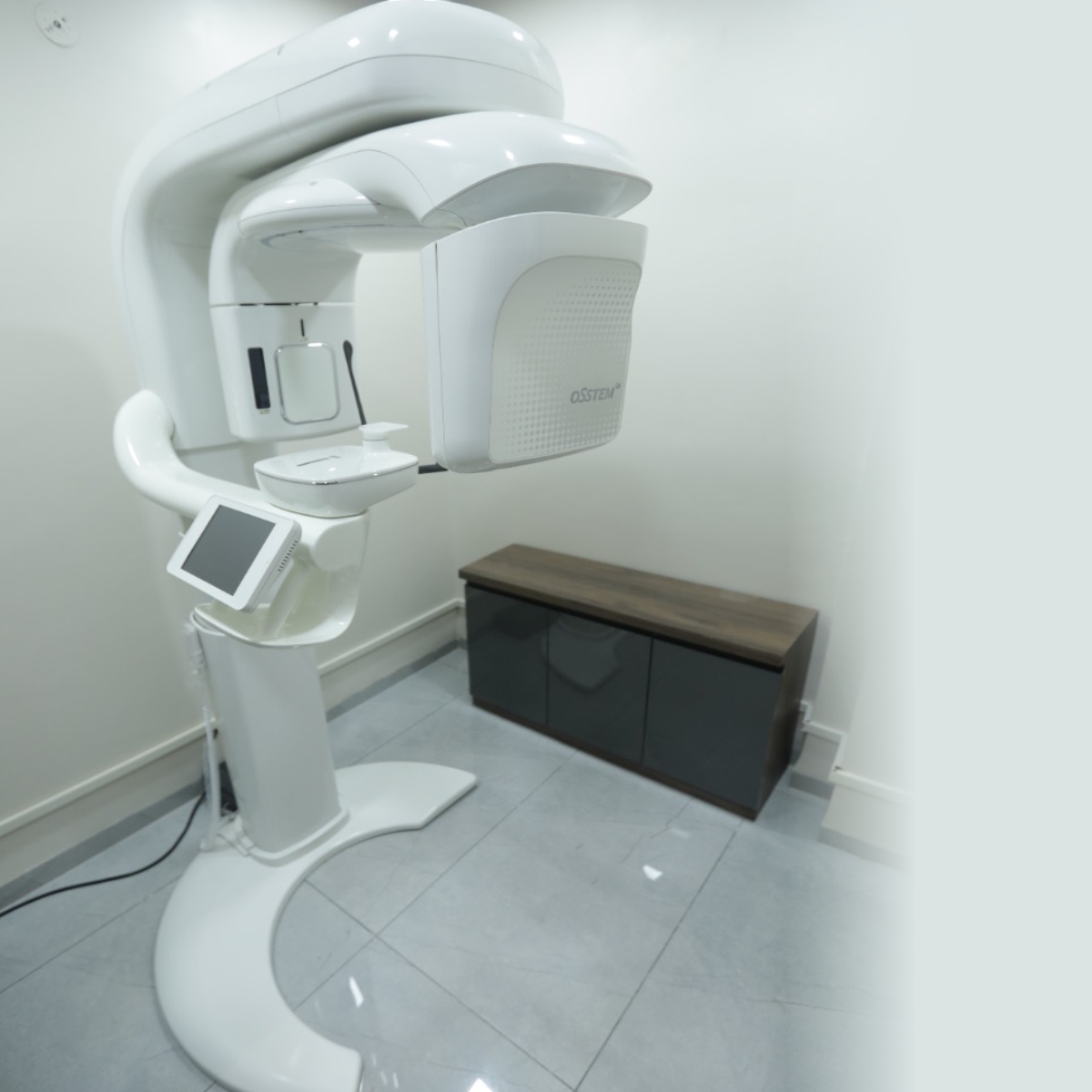
Everything You Need, All In One Place
No More Running Around for Multiple Tests & Treatments.
At Smile Dental Clinic, Indore – you get all diagnostic facilities and treatments under one roof. From X-Rays, Scans, Root Canals, Implants to Smile Makeovers – everything is done here with precision and care.
OUR TEAM
Our Experte Dental Surgeons

Dr. Ashish Jain
Managing Director
Dental Surgeon & Implantologist

Dr. Vihang Naphade
Director
M.D.S., Oral Radiologist & TMJ Specialist
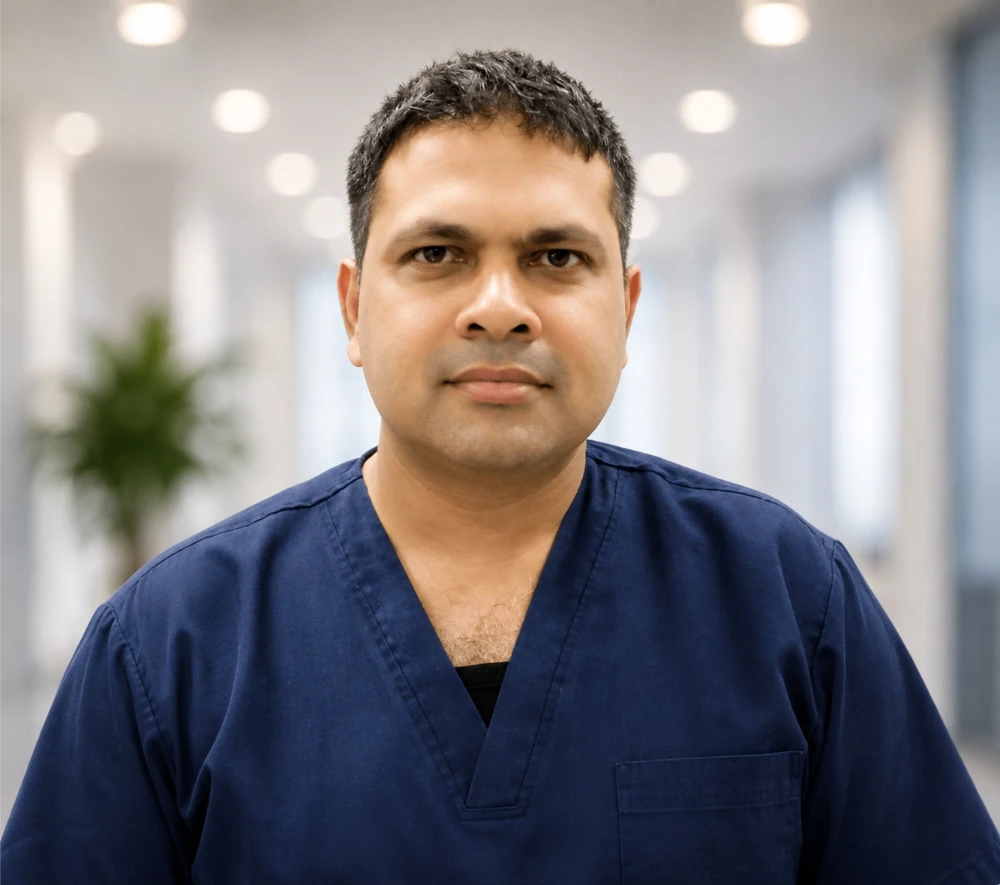
Dr. Suyash Jain
Director
M.D.S., Pediatric Dentist

Dr. Satyajit Tekade
Director
M.D.S., Ph.D., Fellowship in Clinical Orthodontics & Implantologist
Testimonials
Trusted by Thousands of Patients
Trustindex verifies that the original source of the review is Google. Best Dental clinic in indore dr ashish jain sir and his staff behaviour is very goodPosted on GoogleTrustindex verifies that the original source of the review is Google. Best dental clinic in indorePosted on GoogleTrustindex verifies that the original source of the review is Google. I had done my teeth.cleaning at smile dental clinic and it was very good I am fully satisfied with my treatment i would like to say thank you smile dental clinic and his team ☺️Posted on GoogleTrustindex verifies that the original source of the review is Google. Nice experiencePosted on GoogleTrustindex verifies that the original source of the review is Google. I had done my wisdoom tooth extraction at smile dental clinic and it was very good dr ashish jain sir did my treatment very well i am fully satisfied with my treatment if I talk about the staff they are very kind and humble thank you so much smile dental clinic ☺️Posted on GoogleTrustindex verifies that the original source of the review is Google. Good experience about the dental treatment.Posted on GoogleTrustindex verifies that the original source of the review is Google. It was a great experience for my son. The process of tooth extraction was really smooth. I would recommend the clinic to everyone.Posted on GoogleTrustindex verifies that the original source of the review is Google. Smile dental clinic one of the best clinic in this area Great behaviour of the staff and All the Doctor as well as very Nice aa their Name 👍 Person,very Professional Keep it upPosted on GoogleTrustindex verifies that the original source of the review is Google. Dr Vatsal Bhatt did a good job, really kind and informative. Thanks!Posted on GoogleTrustindex verifies that the original source of the review is Google. Me yeh. Clinic google pe search karke aae thi or uske bad mene dr Ashish Jain sir salah lene ke bad mene apna full mouth implant karvaya treatment bhot achhe se hua h or jesa mera face pehle tha bilkul vesa fir dikhne laga or mujhe bhot achha feel ho Raha h or me ab khana achhe kha pa rahi hu overall mera experience yaha pe bhot achha Raha dr Ashish Jain sir or unki team bhot achhi h unhone bhot hi achhe tarike se yaha kam kiya sab ka nature bhi bhot hi achha h 😘Posted on Google

Experienced Dental Professionals

Advanced Dental Technology

Personalized Treatment Plans

Patient-Centered Approach

Comfortable & Hygienic Clinic

Transparent Treatment Process
FAQs
Frequently Asked Questions
Dentistry is a branch of medicine that deals with the prevention, diagnosis, and treatment of conditions and diseases related to the teeth, gums, mouth, and jaw.
Dentists are oral healthcare professionals who diagnose and treat various dental conditions, perform preventive care, conduct oral examinations, clean teeth, fill cavities, and provide guidance on oral hygiene and overall dental health.
It is generally recommended to visit the dentist at least twice a year for routine check-ups and cleanings. However, the frequency may vary depending on your oral health needs, as advised by your dentist.
A root canal treatment is a dental procedure used to remove infected or damaged pulp from the inside of a tooth. The tooth is then cleaned, disinfected, filled, and sealed to prevent further infection.
A root canal is necessary when the pulp inside a tooth becomes infected or inflamed due to deep decay, a cracked tooth, repeated dental procedures, or trauma. It helps save the tooth from extraction.
Modern root canal treatments are typically performed under local anesthesia, ensuring minimal discomfort during the procedure. However, some soreness or sensitivity may be experienced afterward, which can be managed with over-the-counter pain relievers.
The duration of a root canal procedure depends on the complexity of the case and the tooth being treated. On average, it can take one to two visits of about 60-90 minutes each.
A dental implant is an artificial tooth root made of biocompatible materials, such as titanium. It is surgically placed into the jawbone to support a replacement tooth or bridge.
Dental implant placement involves a surgical procedure where the implant is inserted into the jawbone beneath the gum line. After a healing period, a dental crown or bridge is attached to the implant.
Dental implants provide several benefits, including improved appearance, enhanced speech, increased comfort, better chewing ability, durability, and preservation of jawbone health.
In general, most people with good oral health and adequate bone density in their jaw can be candidates for dental implants. However, individual assessment and consultation with a dentist or implant specialist are necessary to determine eligibility.
Dental implants have the potential to last a lifetime with proper care and maintenance. Regular dental check-ups, good oral hygiene practices, and avoiding habits like smoking can contribute to their longevity.
Dentures are removable dental prosthetics used to replace missing teeth and surrounding tissues. They come in different types, including complete dentures for those missing all teeth and partial dentures for those missing some teeth.
Dentures are custom-made to fit your mouth and restore the appearance and functionality of your teeth. They are held in place by natural suction, adhesive creams, or dental implants.
Denture comfort can vary among individuals, especially during the initial adjustment period. Proper fitting, adjustments, and following your dentist’s instructions can significantly improve comfort over time.
It may take a few weeks to get used to wearing dentures. Initially, you might experience some discomfort, alteredspeech, and increased saliva flow. However, with time and practice, most individuals adapt to wearing dentures comfortably.
Wisdom teeth, also known as third molars, are the last set of teeth to emerge at the back of the mouth. They usually erupt between the ages of 17 and 25.
Wisdom teeth often cause problems due to lack of space or improper alignment. If they are causing pain, infection, damage to adjacent teeth, or other oral health issues, your dentist may recommend their removal.
Wisdom teeth removal is typically performed under local or general anesthesia, ensuring a painless procedure. Some discomfort and swelling may be experienced during the healing process, but pain can be managed with prescribed medications.
Dry socket is a condition that may occur after wisdom teeth removal, where the blood clot that forms in the extraction site becomes dislodged or dissolves, leaving the socket exposed. It can cause severe pain and delayed healing.
To prevent bad breath, practice good oral hygiene by brushing your teeth and tongue twice a day, flossing daily, using mouthwash, staying hydrated, and visiting the dentist regularly for cleanings and check-ups.
Bad breath, or halitosis, can be caused by poor oral hygiene, gum disease, cavities, dry mouth, certain foods, smoking, medical conditions, and medications. It is essential to identify the underlying cause for effective treatment.
Yes, gum disease (periodontal disease) can contribute to persistent bad breath. The bacteria associated with gum disease can release foul-smelling gases and toxins, leading to oral malodor.
Maintaining good oral hygiene, including regular brushing and flossing, using antibacterial mouthwash, cleaning your tongue, staying hydrated, and addressing any underlying dental or medical conditions, can help eliminate mouth odor.
Laser dentistry involves the use of laser technology for various dental procedures, such as gum disease treatment, cavity detection, teeth whitening, gum reshaping, and lesion removal. Lasers offer precision, minimally invasive treatment, and faster healing.
Laser dentistry can be used for gum disease treatment, gum reshaping, crown lengthening, biopsy, teeth whitening, cavity detection, and soft tissue surgeries, among others.
Yes, laser dentistry is generally safe when performed by trained professionals. The lasers used in dentistry are designed specifically for dental procedures and are approved by regulatory bodies.
Laser dentistry can often be less painful than traditional methods. Lasers cauterize tissues, resulting in minimal bleeding and reduced postoperative discomfort. However, individual sensitivity may vary, and local anesthesia can be used to ensure a pain-free experience.
The cost of laser dentistry varies depending on the specific procedure and the dental practice you visit. Generally, laser procedures may be slightly more expensive than traditional methods due to the advanced technology involved.
A smile makeover is a comprehensive treatment plan that combines multiple cosmetic and restorative dental procedures to improve the appearance of the smile. It can address issues like stained teeth, crooked teeth, gaps, and missing teeth.
A smile makeover typically involves a thorough assessment of your oral healthand aesthetic goals. It may include procedures such as teeth whitening, dental veneers, dental crowns, orthodontics, dental implants, gum reshaping, and more, depending on individual needs.
The duration of a smile makeover can vary widely depending on the complexity of the case and the specific procedures involved. It may take several weeks to a few months to complete the entire treatment plan.
In general, most people who have good oral health and realistic expectations can be candidates for a smile makeover. However, a thorough examination and consultation with a dentist or cosmetic specialist are necessary to determine suitability.
The cost of a smile makeover depends on various factors, including the specific procedures performed, the complexity of the case, the location of the dental practice, and other individual factors. It is best to consult with a dentist for a personalized cost estimate.
Dental veneers are thin shells, usually made of porcelain or composite resin, that are bonded to the front surface of teeth to improve their appearance. They can correct issues like discoloration, chips, cracks, and minor misalignment.
The application of dental veneers involves removing a small amount of enamel from the front surface of the teeth, taking impressions, and placing temporary veneers. Custom veneers are then fabricated in a dental laboratory and bonded to the teeth during a subsequent appointment.
Dental veneers are considered a permanent cosmetic solution as they involve altering the natural tooth structure. However, they may require replacement after several years due to normal wear and tear.
Dental veneers can be used to improve the appearance of mildly crooked teeth. However, for more severe misalignment, orthodontic treatment such as braces or clear aligners may be recommended.
Dental crowns, also known as caps, are tooth-shaped restorations that encase a damaged or weakened tooth. They provide strength, protection, and improvement in appearance.
Placing a dental crown usually involves shaping the tooth, taking impressions, and placing a temporary crown. A dental laboratory then fabricates a custom crown, which is later cemented onto the prepared tooth during a subsequent visit.
The longevity of dental crowns depends on various factors, including oral hygiene practices, biting forces, and the material used. With proper care, dental crowns can last on average 10-15 years or even longer.
Dental crowns can be made to match the color, shape, and size of your natural teeth, making them blend in seamlessly. They are designed to be natural-looking and esthetically pleasing.
Dental fillings are commonly made of materials such as amalgam (a mixture of metals), composite resin (tooth-colored), or porcelain. The choice of material depends on the location and extent of the cavity.
Dental fillings are typically performed under local anesthesia, ensuring minimal discomfort during the procedure. However, some sensitivity or discomfort may be experienced after the anesthesia wears off, which usually subsides within a few days.
The lifespan of dental fillings can vary depending on the material used, the size of the filling, oral hygiene practices, and biting forces. On average, amalgam fillings can last around 10-15 yearswhile composite resin fillings can last around 5-10 years. Regular dental check-ups can help monitor the condition of fillings and determine if any replacement or repairs are needed.
Teeth whitening is a cosmetic dental procedure that lightens the color of teeth, removing stains and discoloration. It can be done using professional in-office treatments or at-home whitening kits prescribed by a dentist.
Teeth whitening works by using bleaching agents, typically containing hydrogen peroxide or carbamide peroxide, to break down stains and lighten the color of the teeth. It can remove surface stains as well as stains embedded deep within the tooth structure.
Teeth whitening, when done under the supervision of a dentist, is generally safe and effective. However, overuse or misuse of whitening products or using unregulated products can lead to tooth sensitivity, gum irritation, or other complications. It’s best to consult with a dentist for guidance.
The longevity of teeth whitening results varies from person to person. It depends on factors such as lifestyle habits (e.g., smoking, consuming stain-causing foods and drinks), oral hygiene practices, and individual tooth characteristics. Regular touch-ups may be required to maintain the desired level of whiteness.
Yes, teeth whitening can be done at home using over-the-counter whitening products or professional at-home whitening kits prescribed by a dentist. However, it’s advisable to consult with a dentist before starting any whitening regimen to ensure safety and effectiveness.

Redefining Dental Care with
Technology, Trust & Compassion.
Clinic Address
322, Greater Brajeshwari, Pipliyahana, Indore (M.P.)
Email Us
smiledental364@gmail.com
Why Us
International Standards of Sterilization & Infection Control
© Copyright 2026 Smile Dental Clinic Indore. All Rights Reserved.